
The first time I was invited to a Brazilian wedding, I had no idea what I was getting myself into. A friend of mine from Rio had been dating his girlfriend for years, and when they finally tied the knot, I found myself standing in a crowded church surrounded by music, flowers, and more joy than I’d ever seen at a wedding back home. It wasn’t just a ceremony—it was a marathon of celebration.
What struck me most wasn’t the size of the event (though it was massive). It was the way Brazilian wedding traditions pulled everyone in, from grandparents to the youngest cousins. Families didn’t just show up, they took part in everything. And for someone like me, who grew up in Seattle with smaller, quieter weddings, it felt like stepping into another world.
Brazil is a country where marriage still carries a big cultural weight. Even in today’s modern dating scene, a traditional Brazilian wedding is treated as a milestone that blends religion, family, and a full-on party. Understanding how it all works tells you a lot about Brazilian marriage culture—what they value, what they celebrate, and why weddings here often feel unforgettable to anyone lucky enough to attend.
Historical Background
To understand brazil wedding traditions, you have to look at where they came from. Brazil’s history is layered—indigenous customs, Portuguese Catholicism, and even African influences all shaped how weddings are celebrated today.
The Catholic Church played a huge role. For centuries, the standard was a church wedding, where couples said their vows before a priest and their entire community. Even today, many couples still insist on a religious ceremony, even if they also do a civil ceremony for the legal part. It’s not uncommon to see both—a quiet civil signing at the courthouse for the marriage license, followed by a grand celebration in a church with all the traditions on display.
But the influence didn’t stop there. Some regional customs come straight from indigenous tribes—like certain symbolic rituals during the wedding ceremony that honor fertility and nature. African traditions brought by enslaved people also left a mark, particularly in music and celebration styles at weddings in Bahia and other regions.
So when you go to a traditional Brazilian wedding, you’re not just watching two people get married. You’re seeing centuries of marriage culture blended into one day—religious roots, family expectations, and a national love of celebration.
Pre-Wedding Customs
Engagement Rituals
Engagement in Brazil tends to be serious. It’s not just slipping a ring on her finger and announcing it on Instagram. Traditionally, the man asks the bride’s parents for permission. I’ve heard stories from Brazilian friends who had to sit down with their future in-laws for long, sometimes intimidating conversations about their intentions.
When I was dating a woman from São Paulo, she explained that her father expected any future fiancé to ask for his blessing directly. She said, “It’s respect. Without that, there’s no wedding.” Even younger generations still respect this expectation, though they may take a more casual approach.
The engagement ring itself is usually worn on the right hand during the engagement and switched to the left after the wedding ceremony. It’s a small but meaningful ritual that shows commitment.
Bachelor and Bachelorette Parties
Just like in the States, Brazilians throw bachelor and bachelorette parties, but they call them despedida de solteiro and despedida de solteira. These can get wild, especially in big cities like Rio or São Paulo, where nightlife is already on another level.
I went to a bachelor party in Belo Horizonte once, and it lasted two days. Bars, music, barbecue, more music… It felt more like a festival than a single night out. But it’s not always crazy—some couples choose smaller, more private dinners with close friends.
These parties are an important part of brazilian weddings, seen as the last big send-off before stepping into married life.
Wedding Planning
If you think wedding planning in the U.S. is stressful, multiply that by three for Brazil. Families are heavily involved—sometimes too involved. The bride and groom rarely plan everything alone; parents, siblings, and even extended relatives weigh in on choices.
Venue hunting is a huge deal. Couples often book fancy halls, outdoor gardens, or churches months (sometimes years) in advance. I’ve seen couples argue about whether to have a church wedding followed by a reception in a hall, or to keep everything in one spot.
Food is also central. Hiring the right catering team isn’t just about feeding guests—it’s about impressing them. At one wedding I attended in São Paulo, the food never stopped coming: appetizers, buffets, desserts, late-night snacks. By 3 a.m., waiters were still walking around with trays of finger food.
And then there are wedding favors—usually the famous bem-casados, little sweets wrapped in delicate paper. They’re meant to symbolize the sweetness of marriage, and no traditional brazilian wedding is complete without them.
Traditional Brazilian Wedding Ceremony
Types of Ceremonies
Most couples in Brazil go through two ceremonies: the legal one and the religious one. The civil ceremony is straightforward. You go to the courthouse, sign the papers, and walk out with your marriage license. It’s usually small, with only immediate family or a few friends.
But the main event is the religious ceremony, especially the church wedding. Brazil is still largely Catholic, so a big part of traditional Brazilian weddings involves vows before a priest, hymns, and the blessing of rings. I once attended a church service in São Paulo that felt more like a concert than a wedding—choir, live musicians, flowers everywhere. It was breathtaking.
Not every couple sticks with Catholicism, though. Evangelical services are growing, and some couples choose outdoor settings with more modern styles. But no matter the faith, the wedding ceremony is treated as sacred and public—it’s where families formally recognize the marriage.
Traditional Attire
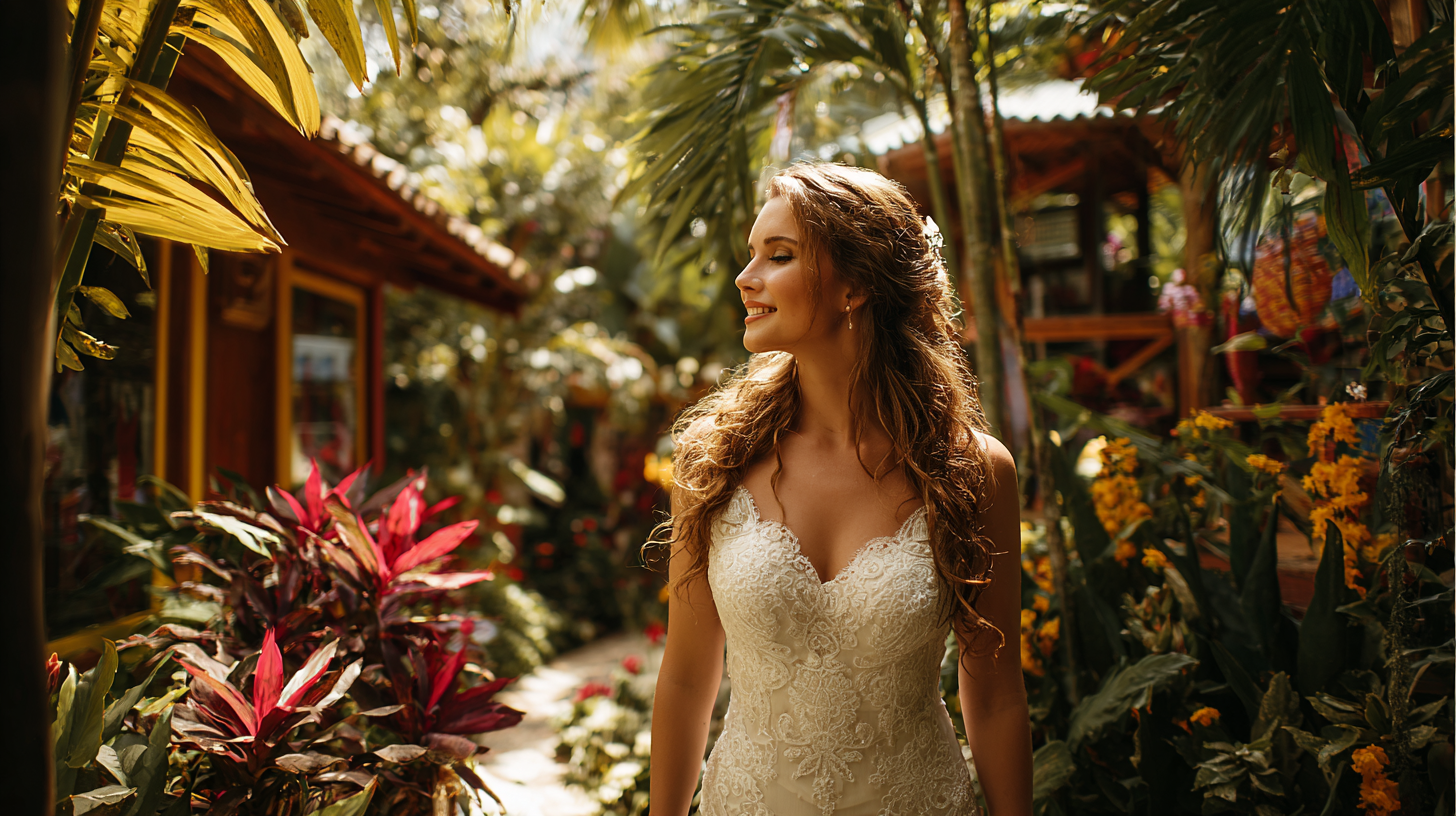
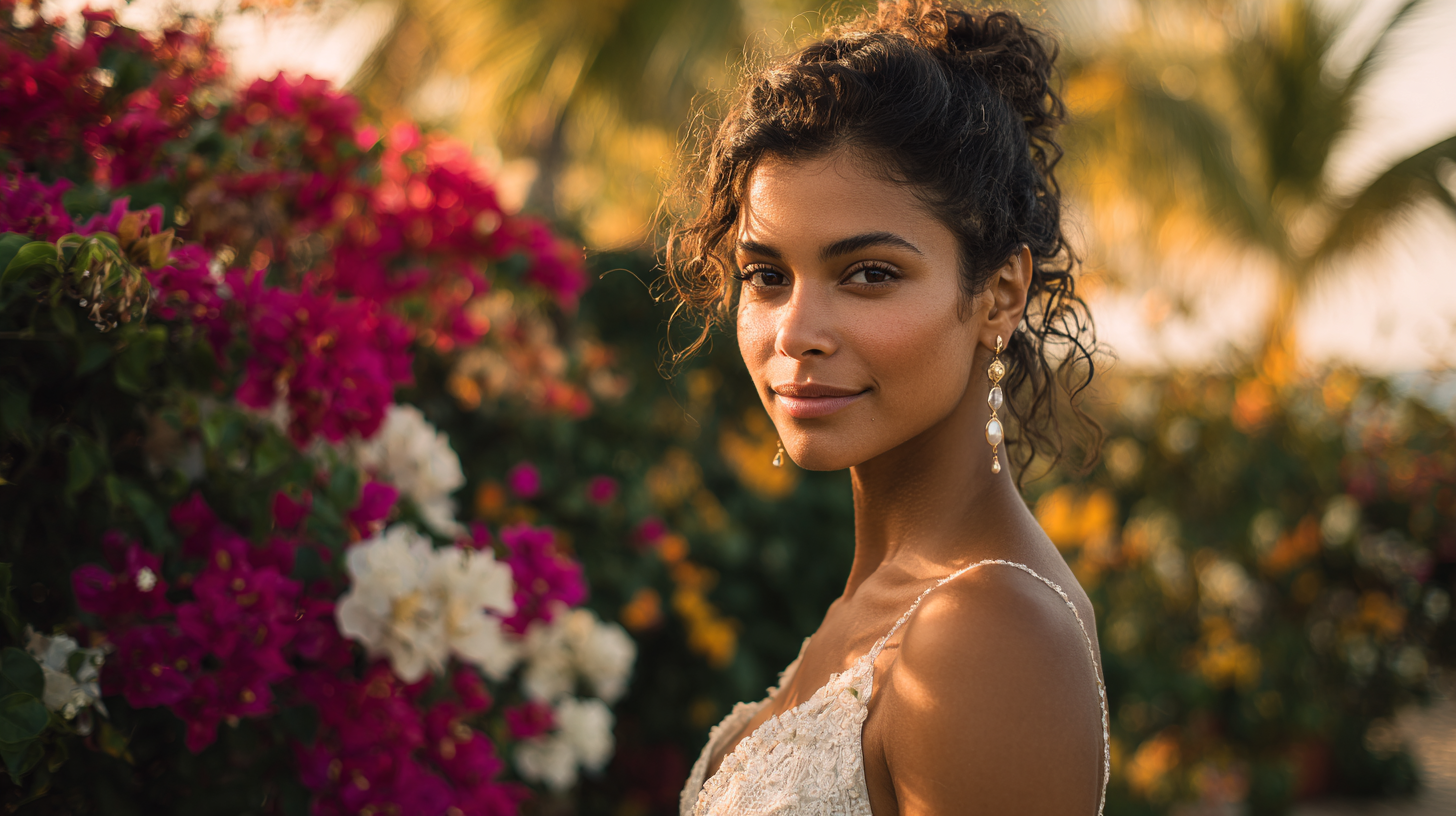
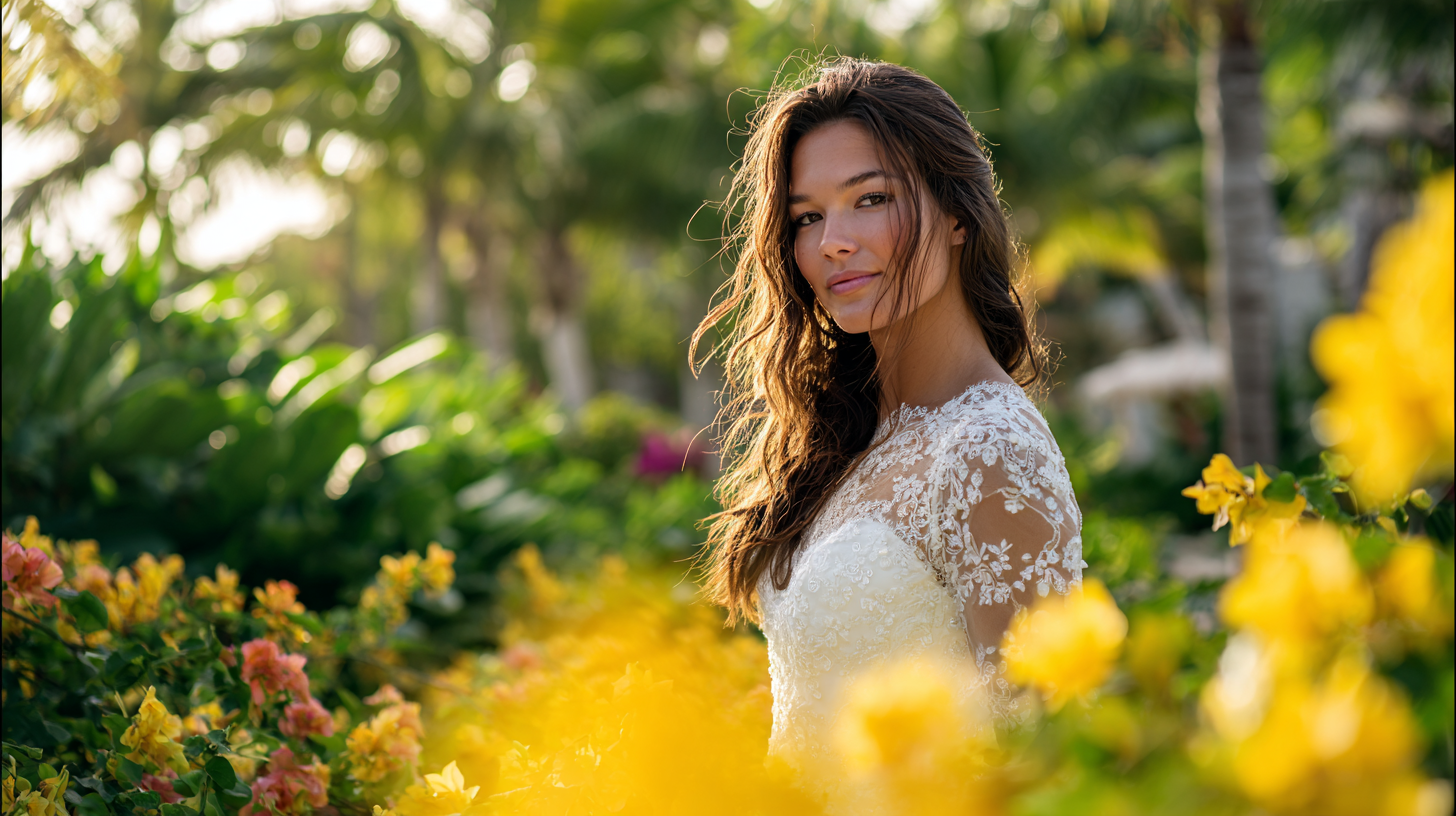
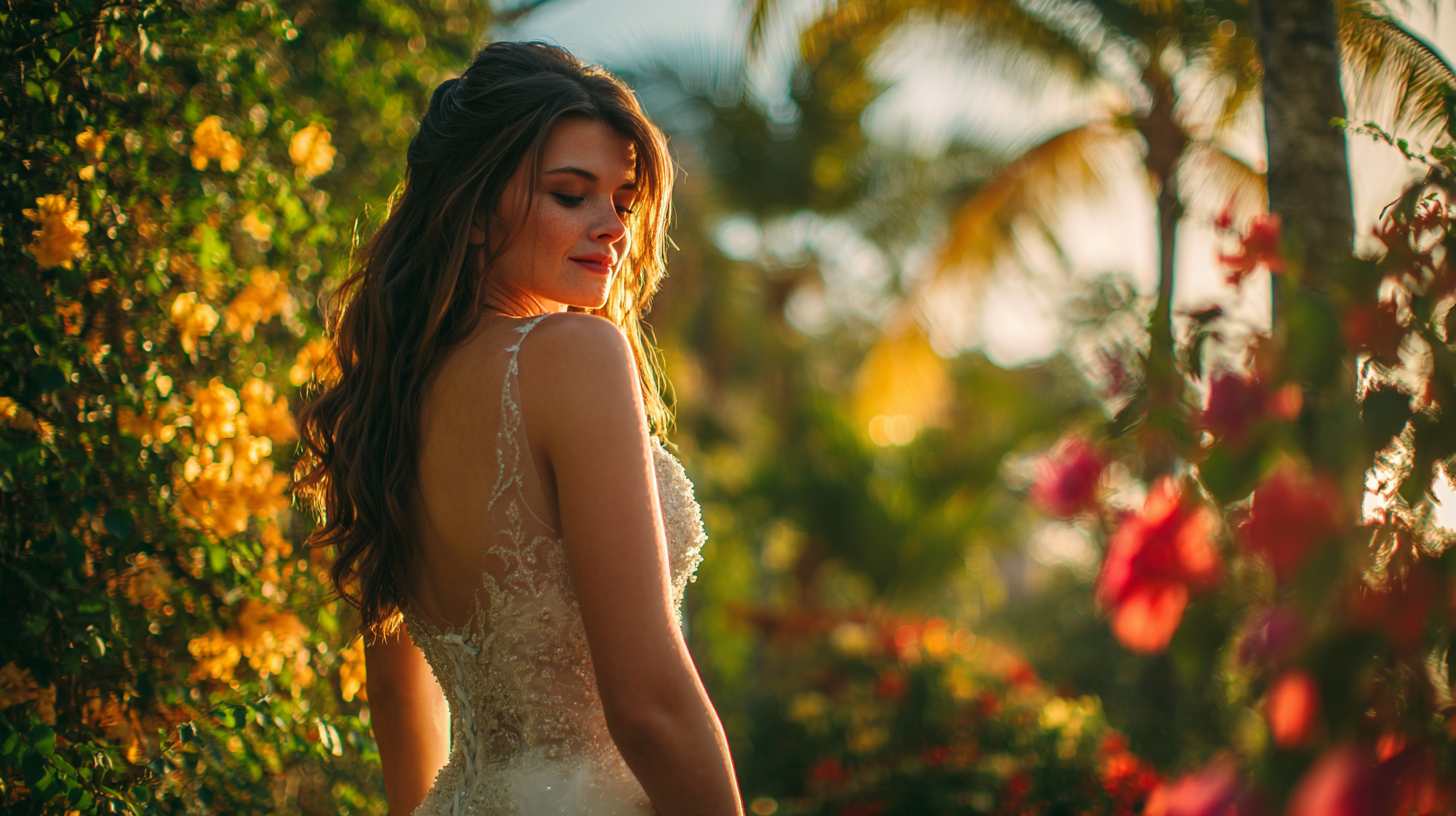
Here’s where things get striking. The traditional brazilian wedding dress is usually white, elegant, and detailed—lace is a favorite. Brazilian brides often pick gowns that highlight shape and style, leaning toward glamorous rather than plain. I’ve seen dresses covered in embroidery, beads, even tiny crystals that shimmer under church lights.
The groom’s wedding attire is usually formal—a dark suit or tuxedo. I once borrowed a tux for a wedding in Rio and was relieved I did; every man there looked sharp, and I would’ve stood out in anything less.
The bridal gown is a huge topic of conversation. Brides spend months picking the right designer. Family members and friends debate over options like it’s a national sport. And then there are the groomsmen and bridesmaids. Unlike American weddings where the bridal party might wear matching colors, in Brazil bridesmaids often wear different dresses, adding more color and variety to the church.
Ceremonial Rituals
A traditional Brazilian wedding has layers of ritual. The wedding vows are spoken in front of everyone, followed by the exchange of rings. In Catholic weddings, the priest blesses both.
One ceremony I’ll never forget included a candle-lighting ritual where the bride and groom lit a single candle together, symbolizing unity. In another, they had family members read blessings and prayers. Every couple personalizes it, but the idea of joining two lives in front of a community remains the same.
For me, one of the most powerful moments was watching a couple in Recife kneel together during the prayers. The silence in the church, the emotion on their faces—you didn’t need to understand Portuguese to know what it meant.
Symbolic Elements
Brazilian ceremonies are full of symbolism. Some couples use arrays, thirteen wedding coins exchanged during the service to symbolize prosperity and trust. I once asked a groom why thirteen coins. He shrugged and said, “Lucky number.”
Flowers also carry meaning. White roses and orchids are favorites, tied to purity and love. Doves are sometimes released, though not as common as in the past.
Then there are the regional beliefs—like brides placing a piece of gold in their shoe for good luck, or guests touching the bride’s veil for blessings. These small touches make each traditional wedding feel personal, even within the framework of tradition.
Reception Traditions

Venue and Decoration
If the ceremony feels sacred, the reception feels like a festival. Brazilians don’t go small. Receptions take place in ballrooms, outdoor estates, or decorated halls. The last one I went to had hundreds of candles, massive floral arrangements, and a dance floor that looked like it came straight from a nightclub.
Decor is taken seriously. Families spend months planning themes, choosing colors, and deciding whether the vibe should be formal elegance or tropical energy. Either way, the setting usually leaves guests wide-eyed.
Food and Drink
Food is a centerpiece. Brazilian receptions are known for catering that doesn’t stop. You’ll see buffets with meats, seafood, salads, and finger foods like coxinhas and pão de queijo. Dessert tables groan under the weight of brigadeiros, quindins, and cakes.
One tradition I love is the late-night food service. Just when you think the party’s ending, waiters come out with trays of hot snacks—mini burgers, fried pastries—meant to recharge guests for more dancing. And, of course, the open bar is flowing with caipirinhas, beer, and champagne.
I once left a reception at 4 a.m. still full from all the food. That’s how serious Brazilians are about feeding their guests.
Music and Entertainment
Music keeps the night alive. Live samba bands are popular, but DJs are just as common. In the Northeast, you might hear forró. In Rio, it might lean more toward samba or funk.
At one wedding in Salvador, there was even a professional percussion group that marched through the venue, drums shaking the whole place. You can’t help but dance when that happens.
Dancing Traditions
If there’s one thing Brazilians know how to do, it’s dance. The bride and groom usually share a first dance, but after that, everyone piles in. It’s not a polite shuffle—it’s high-energy, sweaty, joyful dancing that lasts for hours.
I remember standing at the edge of a dance floor in Rio, thinking I’d sit out a song or two. A grandmother grabbed my hand, dragged me in, and suddenly I was trying (and failing) to keep up with samba steps. That’s the beauty of a traditional wedding reception in Brazil: no one’s left out.
Unique Brazilian Wedding Customs

Every country has its quirks, and Brazil is no exception. A traditional Brazilian wedding is sprinkled with customs that make the day feel different from anything you’d see in the U.S.
Wedding Favors
One of the first things you’ll notice at Brazilian weddings is the bem-casados. These little sweets—two small sponge cakes glued together with dulce de leche—are wrapped in fancy paper and handed out to guests. The name literally means “well married,” and they symbolize the sweet side of married life. I still remember stuffing three of them in my jacket pocket at a friend’s wedding in Rio, only to eat them in the taxi home. They’re that addictive.
Beyond sweets, some couples hand out creative wedding favors—personalized glasses, keychains, even mini bottles of cachaça. It’s part of the fun, and guests expect to leave with something in hand.
The Bouquet Toss
The bouquet toss is common, but Brazilians sometimes add twists. At one wedding in Belo Horizonte, instead of tossing the bouquet to the single women, the bride tied ribbons to it and had each woman cut one. The last ribbon left determined the “winner.” It dragged out the suspense and got everyone laughing.
Cake and Symbolism
The wedding cake isn’t just dessert—it’s a centerpiece. Multi-tiered, decorated with sugar flowers, sometimes taller than the couple themselves. Cutting it together is symbolic, but here’s the fun part: some brides hide little charms or ribbons inside the cake, and whichever guest finds them is said to be the next to marry.
Honeymoon
Brazilians take honeymoons seriously. It’s not uncommon for couples to leave straight from the reception to the airport. I once teased a friend in São Paulo about packing bags at the party. He laughed and said, “Why waste time?” Destinations vary, but beaches in the Northeast or trips abroad are popular choices.
Modern Influences on Traditional Weddings
Over the years, traditional Brazilian wedding customs have absorbed plenty of modern touches. Social media changed the game—now couples hire entire teams of photographers and videographers to capture every moment for Instagram. Drone shots of outdoor receptions are becoming standard.
Wedding attire has shifted too. While the traditional brazilian wedding dress is still classic white, more brides experiment with bold cuts, off-shoulder designs, or imported designer gowns. Friends of mine in São Paulo told me brides even fly to Miami or New York just to buy the perfect bridal gown.
Themes are another modern twist. Some couples go rustic with outdoor farm weddings, others rent luxury hotels in Rio for ultra-formal affairs. Destination weddings are becoming trendy—Brazilians marrying abroad but bringing local traditions with them. I once saw a couple livestream their church wedding from Lisbon back to relatives in Brazil who couldn’t make the trip.
Even music is shifting. While samba and forró are still staples, many couples want international hits for their first dance. One couple I knew in Recife danced to Ed Sheeran before switching the playlist back to Brazilian funk at full blast. It’s that mix—tradition and modern flair—that makes weddings in Brazil constantly evolving yet still familiar.
Conclusion
If you ever get invited to a brazilian wedding, don’t hesitate. Say yes, clear your calendar, and prepare for an event that goes far beyond a simple ceremony. You’ll see Brazilian wedding traditions rooted in history, taste food you’ll dream about for weeks, and dance until your legs give out. You’ll also get a front-row look at how marriage culture in Brazil blends respect for family and faith with a love of celebration.
I’ve been to more weddings in Brazil than I can count now, and every single one has surprised me in some way. Some were elegant, some chaotic, some lasted until sunrise—but all of them carried the same spirit: love shared not just between two people, but across entire families and communities. That, more than anything, is what makes traditional Brazilian weddings unforgettable.
 Find the best bride now...